Berlin´s Museum Island, a UNESCO World Heritage Site
Human history meets European and German heritage
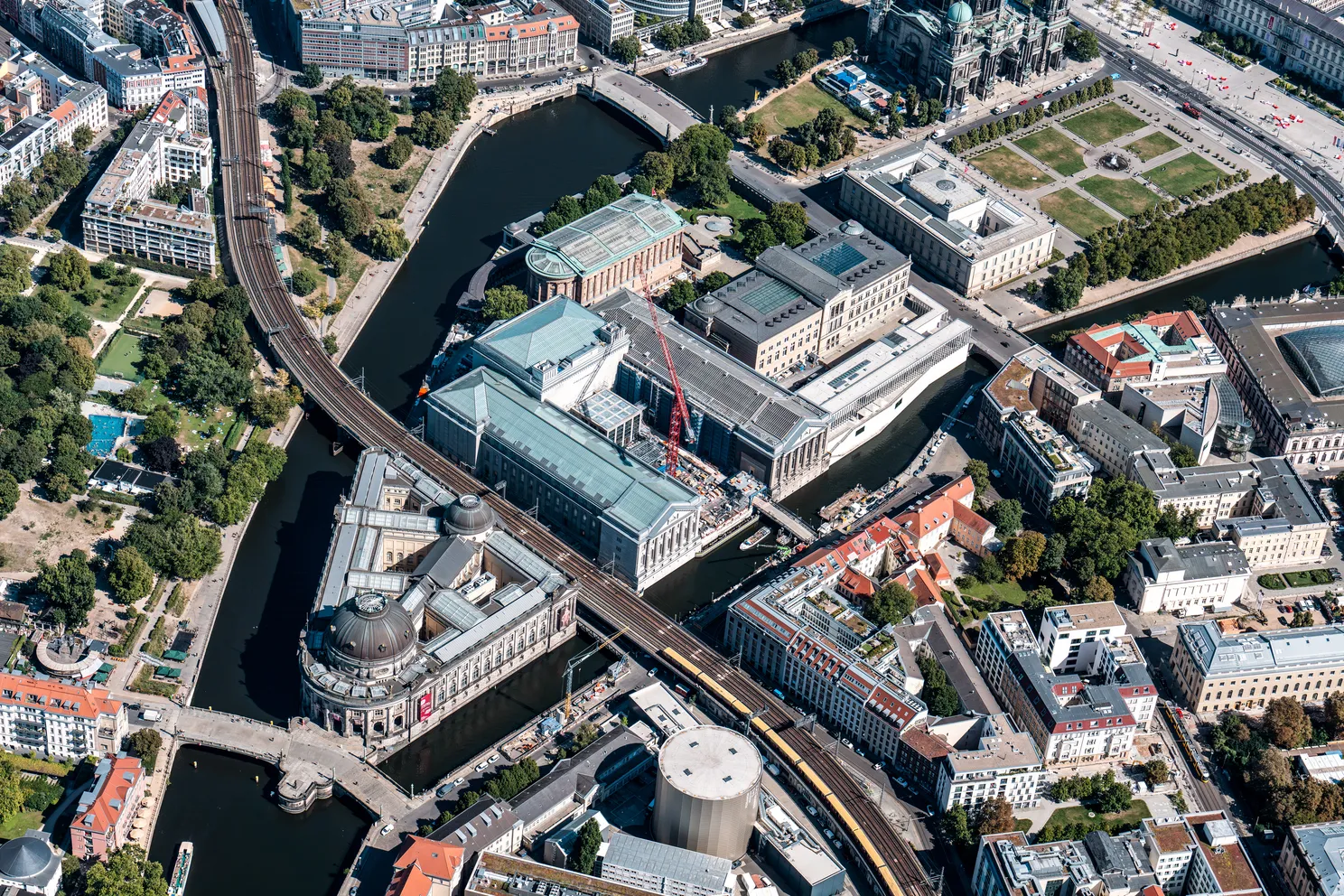
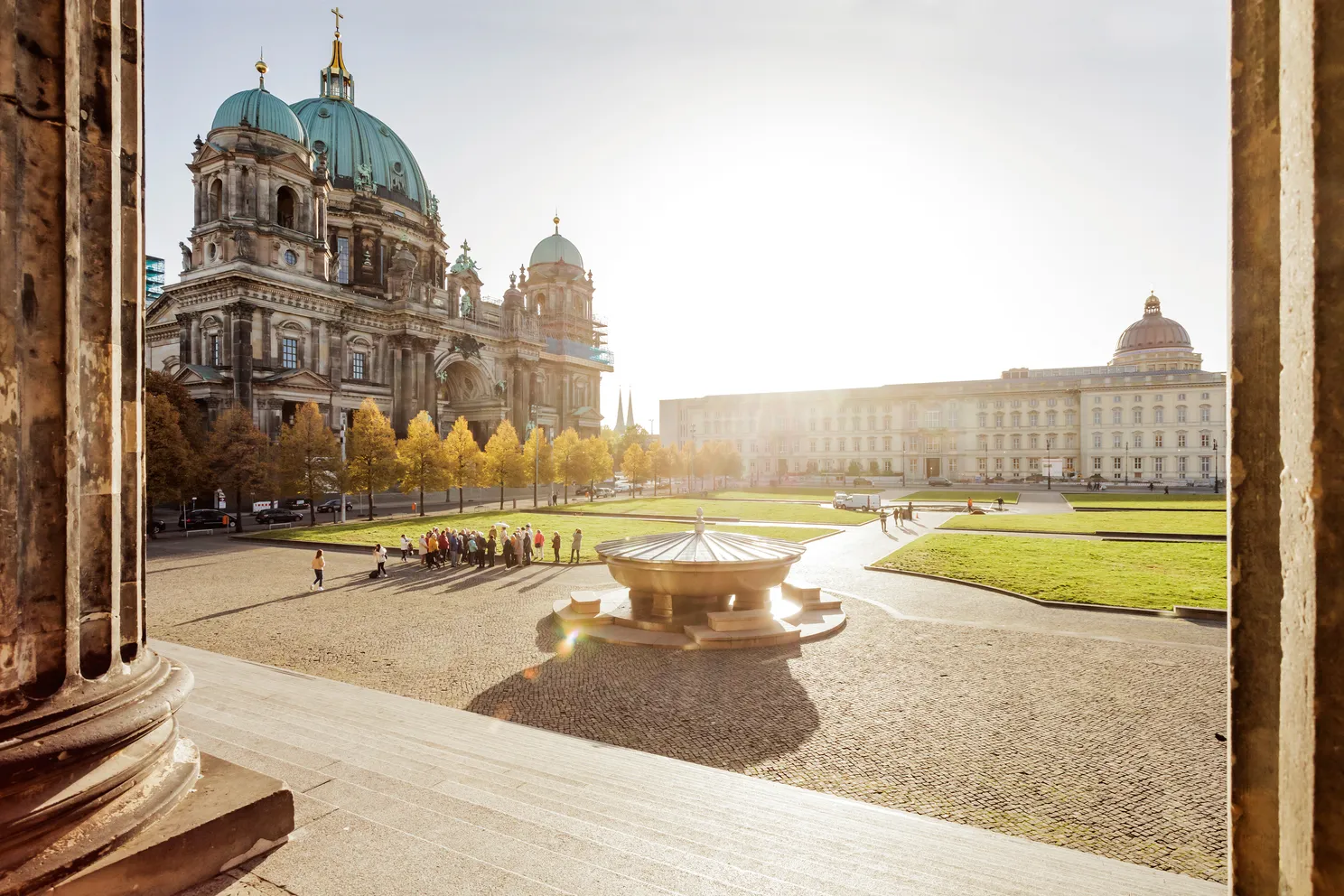
Museum Island - The Realization of a Vision
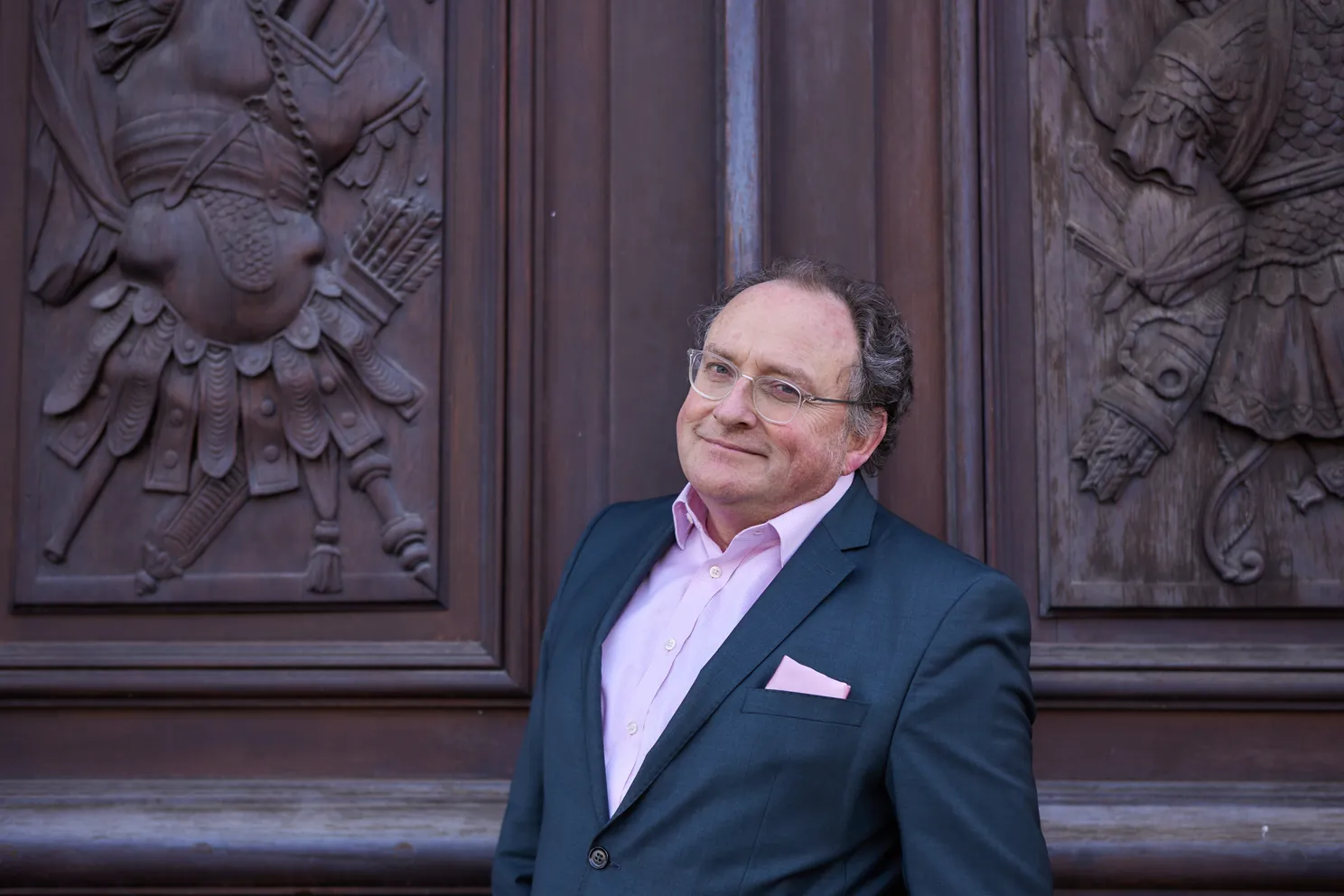
Dr. von Seggern invites his guests to experience Berlin’s Museum Island as a true Gesamtkunstwerk - a total work of art.
Drawing on his extensive expertise, he reveals what makes this extraordinary ensemble of architecture, collections, and museum buildings on an island in the River Spree unique by international standards. At the same time, he places the development of this UNESCO World Heritage Site within the broader context of German and global history and the political transformations that shaped each era.
While the tour focuses on Museum Island as an integrated cultural landscape, it also includes visits to selected museum buildings and their most significant highlights.
Tickets for all Museums Included
The tour package includes a one-day Museum Island ticket, granting access to all museums on the island. Guests are therefore free to continue their exploration independently after the guided program and delve deeper into the collections and exhibitions that have particularly captured their interest.
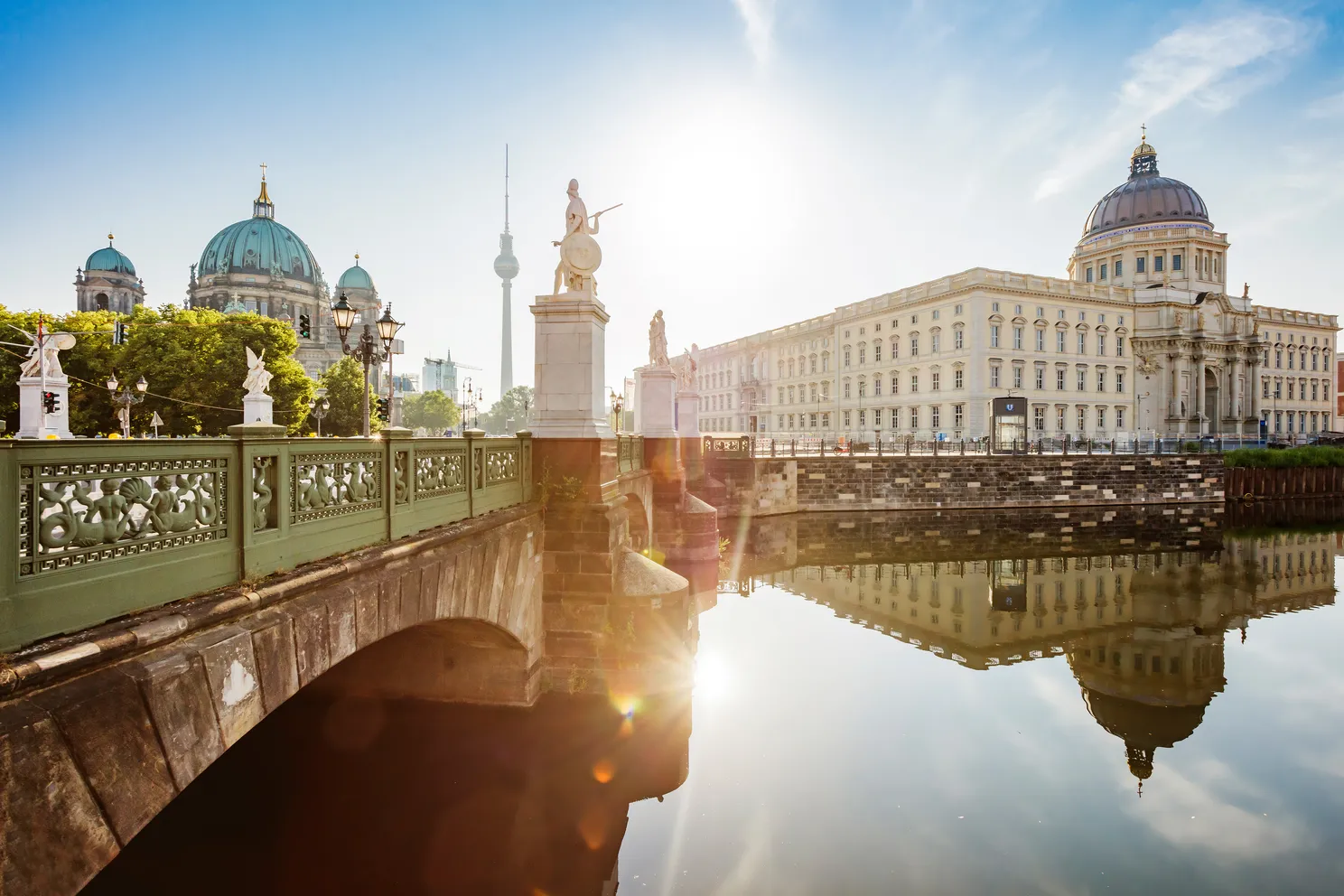
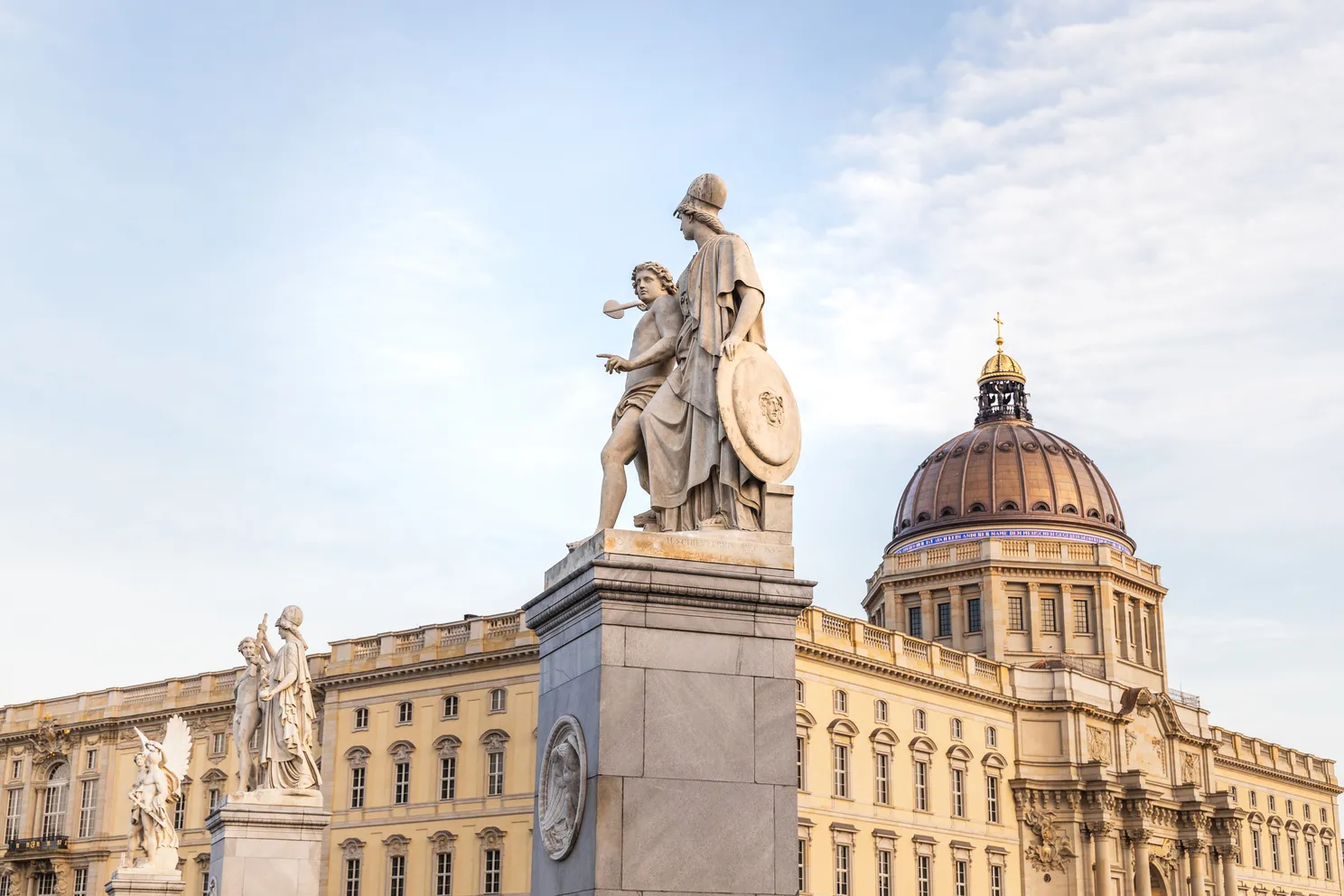
Beginning at the Humboldt Forum
Today, the Humboldt Forum brings together collections from Berlin’s state museums and Humboldt University, serving as a vibrant center for dialogue between cultures and perspectives from around the world. In doing so, it continues a tradition that dates back to the Weimar Republic, when the palace was among Berlin’s most visited cultural institutions.
Your experience begins with a welcome from your host and a brief introduction to the topic. A detailed model of the historic Museum Island and its surroundings then offers an insightful first overview of the area.
Architecture and Masterpieces
From the Humboldt Forum, the tour crosses the Spree and enters the heart of Museum Island.
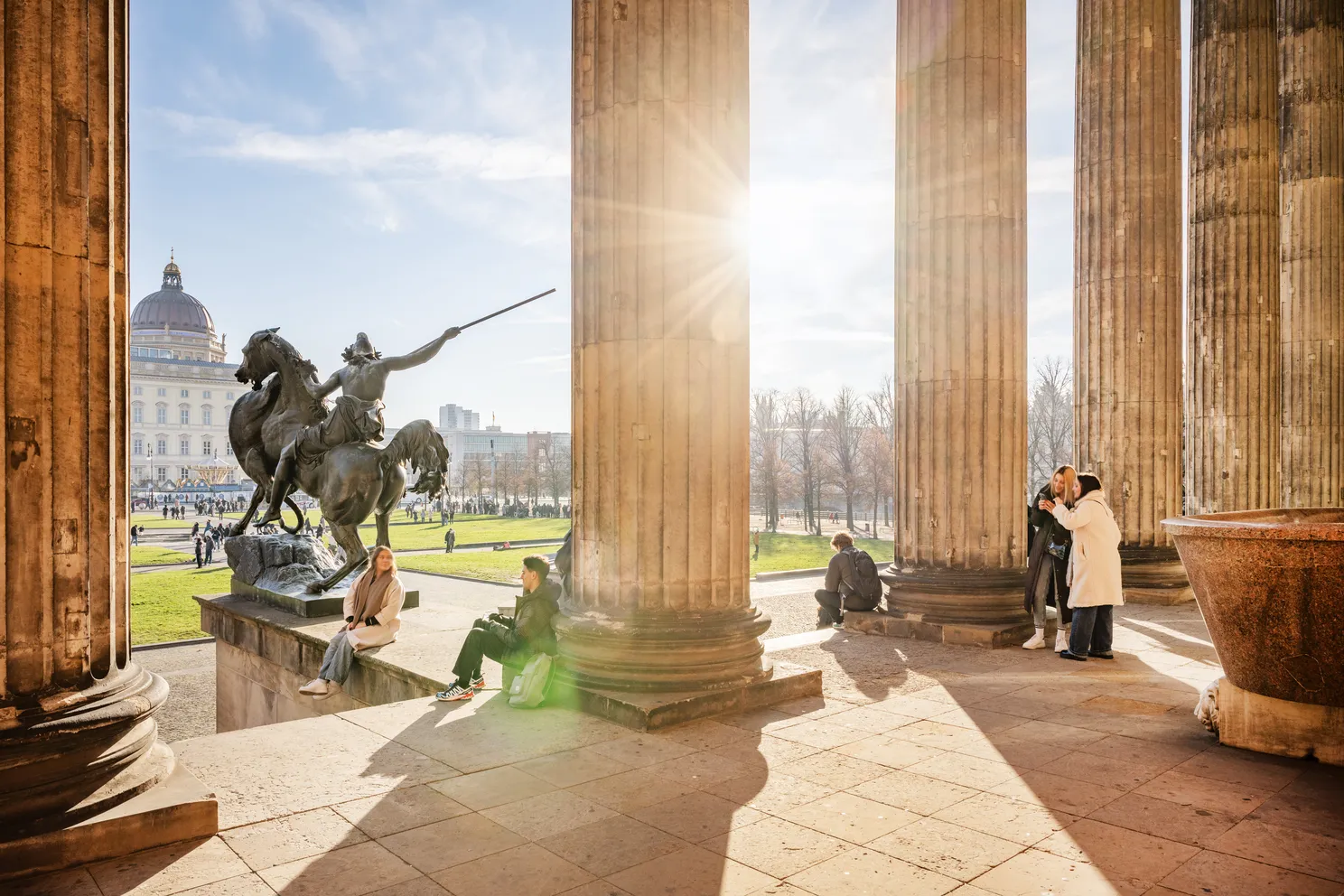
Passing the Altes Museum, Karl Friedrich Schinkel’s neoclassical masterpiece, Dr. von Seggern leads guests into the Neues Museum, widely regarded as one of the finest examples of the successful integration of historic preservation and contemporary architecture.
Highlights include the celebrated central staircase designed by David Chipperfield, as well as world-renowned treasures such as the bust of Nefertiti and the monumental Helios figure.
The Newest Jewel of the Ensemble
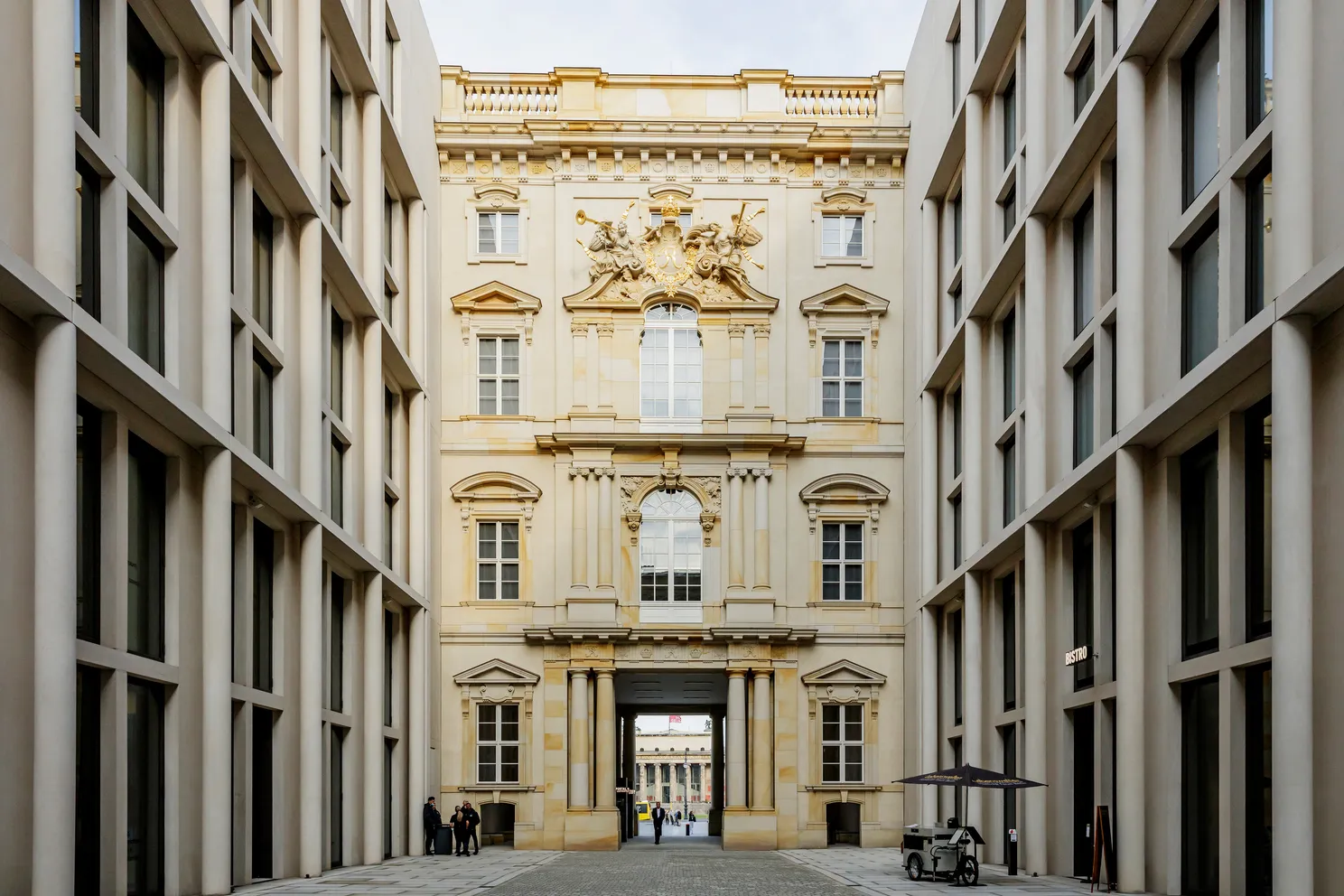
In reunified Berlin, the James Simon Gallery was conceived as the architectural gateway to Museum Island and as the connecting element between the Neues Museum and the Pergamon Museum.
Designed by the acclaimed British architect David Chipperfield, the building has already achieved iconic status. Its restrained contemporary design complements the historic ensemble with remarkable sensitivity, creating a dialogue between past and present that defines the spirit of Museum Island itself.
From the Pergamon Museum to the Bode Museum
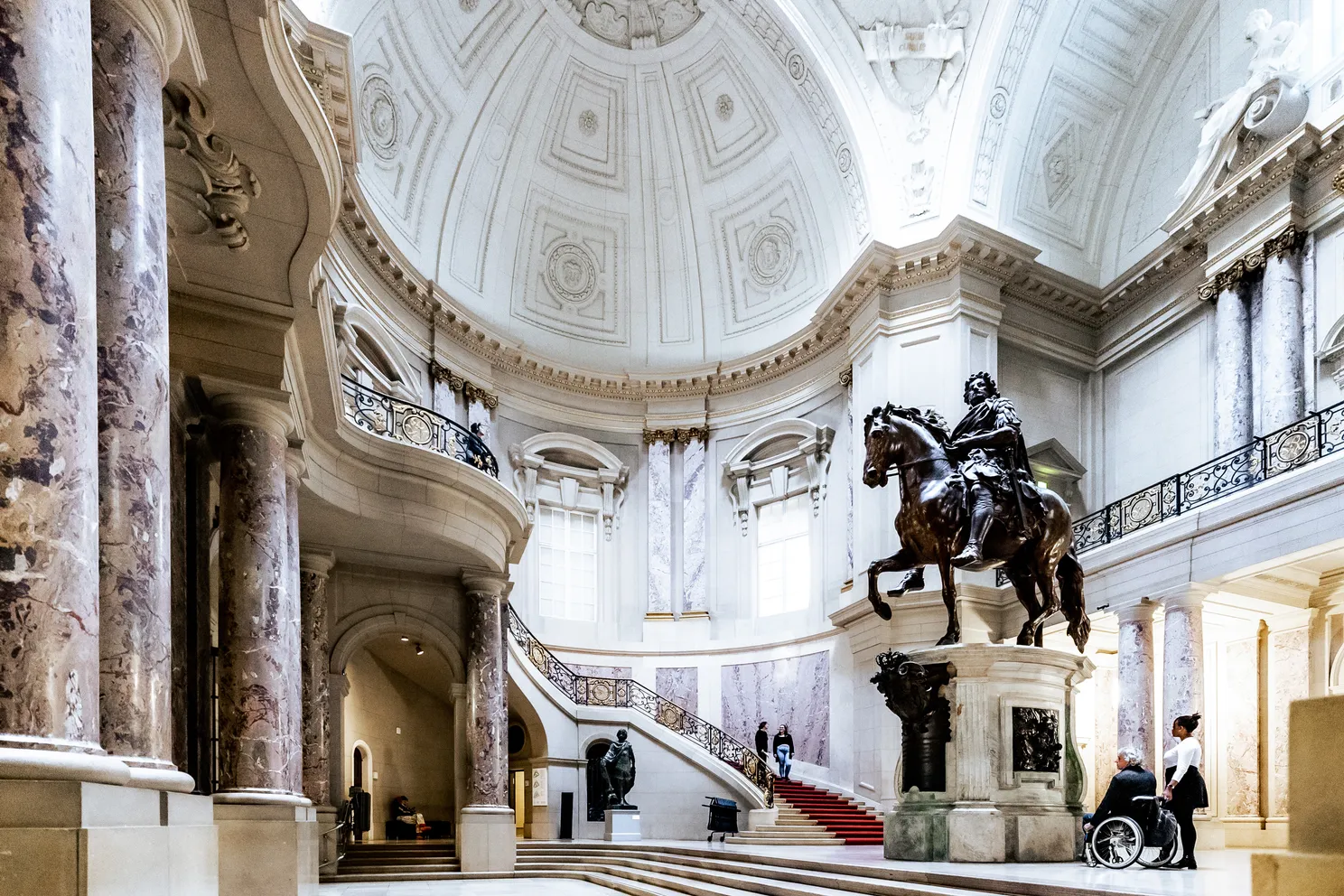
The tour continues to the Pergamon Museum and the former Kaiser Friedrich Museum, today known as the Bode Museum.
Visitors are welcomed by the imposing equestrian statue of the Great Elector, a cast of Andreas Schlüter’s celebrated original. The magnificent entrance hall and grand staircase evoke the atmosphere of a palace rather than a museum, underscoring the ambition and prestige that shaped the institution from its inception.
Museum Island reflects the achievements of some of Germany’s most influential architects and artists. Its story spans Andreas Schlüter - the “Michelangelo of the North” - as well as Karl Friedrich Schinkel, Friedrich August Stüler, Johann Heinrich Strack, Alfred Messel, and David Chipperfield. Across two centuries, their visions have combined to create one of the world’s most remarkable cultural ensembles.
A Culinary Finale at the Telegraph Office
The tour concludes with a lunch at Roots Restaurant, located within the historic Telegraph Office, just a short walk from Museum Island.
Constructed in 1910, the Neo-Baroque building dates from an era when even functional structures were designed with architectural grandeur and civic pride. Once a center of communications, it has since been transformed into a vibrant contemporary gathering place.
Its distinctive design combines exposed brickwork, steel beams, Art Deco influences, and elements of Classical Modernism, creating an atmosphere that reflects the many layers of Berlin’s architectural history.
In this exceptional setting, guests have the opportunity to revisit the day’s discoveries in conversation with Dr. von Seggern. Accompanied by a carefully curated selection of German and internationally inspired cuisine, the tour concludes in a relaxed yet elegant atmosphere.
Your Host
With profound knowledge of architecture, cultural history, and Berlin’s urban development, Dr. von Seggern offers a perspective that goes far beyond a conventional museum tour. Combining scholarly insight with engaging storytelling, he brings the history of Museum Island vividly to life and reveals the deeper connections between art, architecture, politics, and society.
A journey through one of Europe’s most extraordinary cultural landscapes - ideal for anyone seeking a deeper understanding of Berlin, its history, and its place within the broader story of European civilization.
Meeting point and stations
- 1
Introduction & Welcome
Humboldt Forum - Ticket Desk
Schloßpl. 1, 10178 Berlin
- 2
Neues Museum
Bodestraße 1-3, 10178 Berlin
- 3
Coffee break
CU29 – Coffee, Eats & Arts
Bodestraße 1-3, 10178 Berlin
- 4
Pergamonmuseum & Bode-Museum
Bodestraße 1-3, 10178 Berlin
- 5
Lunch & Conversation
Root Bistro & Bar
Monbijoustraße 11, 10117 Berlin
Duration
4:00 hours
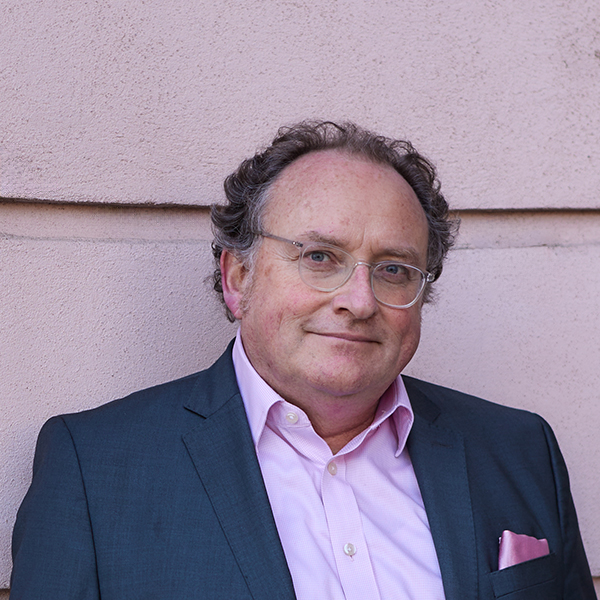
He brings history to life through storytelling. When the Jewish Museum Berlin opened its doors in 2001 in Daniel Libeskind’s iconic building, Dr von Seggern was already recognized as a pioneer in museum education. He understands that compelling narratives and interactive approaches are essential to engaging audiences and creating memorable museum experiences.
Dates and Booking
Next dates
October 2026
November 2026